


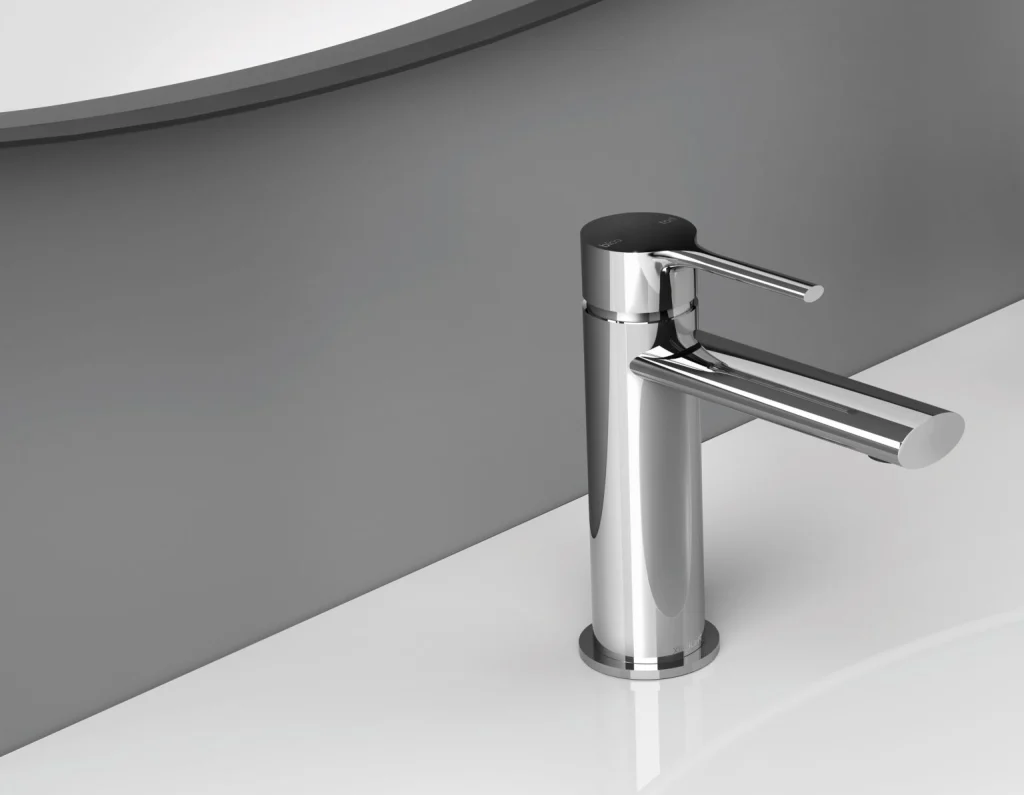
Have you ever noticed how quickly bathroom taps lose their shine, even when the rest of the bathroom looks clean? Bathroom tapware is used every single day. It controls water flow, affects hygiene, and shapes how the space looks and feels. Yet it is often overlooked when it comes to proper cleaning and care. Over time, water spots, soap residue, and mineral build-up can dull the finish and shorten its lifespan.
In this guide, you’ll learn how to clean and maintain bathroom tapware the right way. With a few easy routines, tapware can stay clean, work smoothly, and look good for many years.
What Is Bathroom Tapware?
Bathroom tapware refers to all the fixtures that control water flow in a bathroom. This includes taps for basins, showers, and baths, as well as mixers and handles. These fittings are used every day, often many times, which makes them an important part of both function and comfort in the bathroom.
Beyond function, tapware also shapes the overall look of the space. The style, finish, and placement can make a bathroom feel modern, classic, or minimal. When chosen and cared for well, tapware blends smoothly with other elements like tiles, storage, and fittings to create a clean and balanced space.
Why Bathroom Tapware Needs Regular Care
Bathroom tapware is exposed to water, soap, and moisture daily, which makes bathroom tap cleaning and regular care essential.
- Prevents Build-Up: Regular cleaning stops soap residue and minerals from settling on surfaces, which helps taps stay smooth and shiny.
- Extends Lifespan: Proper care reduces wear on internal parts, helping taps last longer without leaks or stiffness.
- Maintains Hygiene: Clean tapware limits bacteria and grime that can collect around handles and spouts.
- Protects Finishes: Gentle, routine care helps preserve chrome, matte, or brushed finishes from dulling.
- Keeps Bathroom Looking Fresh: Clean taps lift the overall look of the space, especially around the sink and shower.
Types Of Bathroom Tapware And Their Finishes
Bathroom tapware comes in many styles and finishes, each with its own care needs.
Basin And Sink Tapware
These taps are usually placed above or beside the sink and are the most frequently used. They range from simple designs to more detailed styles and are often paired with bathroom taps that match the rest of the fittings.
Most basin tapware comes in finishes like chrome, brushed nickel, or matte black. These finishes respond differently to cleaning products, so understanding the surface helps prevent damage and keeps the tapware looking new.
Shower Tapware
Shower tapware controls water temperature and pressure during showers. It often includes controls, handles, and spouts that are exposed to constant moisture.
Because showers are used daily, this tapware needs extra care to prevent mould and mineral build-up. Matching finishes with shower mixers helps keep the shower area consistent and easy to maintain.
Bath Tapware
Bath tapware is designed for filling tubs and may include wall-mounted or deck-mounted styles. These fittings often stand out as a feature in the bathroom.
Since bath areas hold water longer, tapware here should be cleaned after use to avoid water marks. This is especially important in bathrooms with a modern bathroom vanity where clean lines matter.
How To Clean Bathroom Tapware
Cleaning bathroom tapware does not need to be complicated, but it does need to be done correctly.
Here are bathroom tap cleaning tips you can follow:
Step 1: Start With A Daily Wipe Down
A daily wipe is the easiest and most effective habit. After using the sink, use a soft dry cloth to wipe away water droplets, toothpaste splashes, and soap residue. This stops marks from drying onto the surface.
Daily wiping is especially useful in busy bathrooms. When tapware is used often, small splashes build up quickly. A quick wipe takes less than a minute and helps the tapware look clean every day.
Step 2: Do A Weekly Gentle Clean
Once a week, give the tapware a proper clean. Fill a bowl with warm water and add a small amount of mild dish soap. Dip a soft cloth or sponge into the mixture and gently wipe all surfaces.
Focus on areas around the spout and base where grime collects. This step is important for taps near a modern bathroom vanity, where makeup, toothpaste, and soap splashes are common. Rinse with clean water and dry with a soft cloth.
Step 3: Clean Handles And Joints Carefully
Handles and joints are touched many times a day, so they collect oils and dirt easily. Use a soft toothbrush or small cleaning brush to reach tight spaces.
Gently scrub around joints and under handles without applying pressure. This helps keep movement smooth and prevents dirt from building up in areas that are hard to see.
Step 4: Remove Water Spots Safely
Water spots can dull the look of tapware over time. To remove them, mix equal parts water and white vinegar. Lightly dampen a cloth with the mixture and wipe the affected area.
Always test the solution on a hidden spot first. After wiping, rinse thoroughly with water and dry immediately. Drying is important because it prevents new spots from forming.
Step 5: Deal With Limescale Build Up
In areas with hard water, limescale may appear around the base of taps or near outlets. Use a diluted vinegar solution and apply it gently with a cloth.
Avoid soaking tapware or leaving vinegar on for too long. Short contact times protect finishes while still loosening mineral buildup. Rinse well and dry completely once finished.
Step 6: Clean Aerators And Outlets
Aerators at the end of taps can trap minerals and debris. Unscrew the aerator if possible and rinse it under warm water. Use a soft brush to remove any trapped particles.
Cleaning aerators improves water flow and prevents uneven spraying. Make sure the aerator is dry before reattaching it.
Step 7: Finish With Polishing
After cleaning, use a dry microfiber cloth to polish the tapware. Gentle polishing removes streaks and restores shine.
This final step helps highlight quality finishes often found in premium bathroom products. Regular polishing also adds a light protective layer by removing leftover moisture.
Bathroom Tapware Maintenance Tips
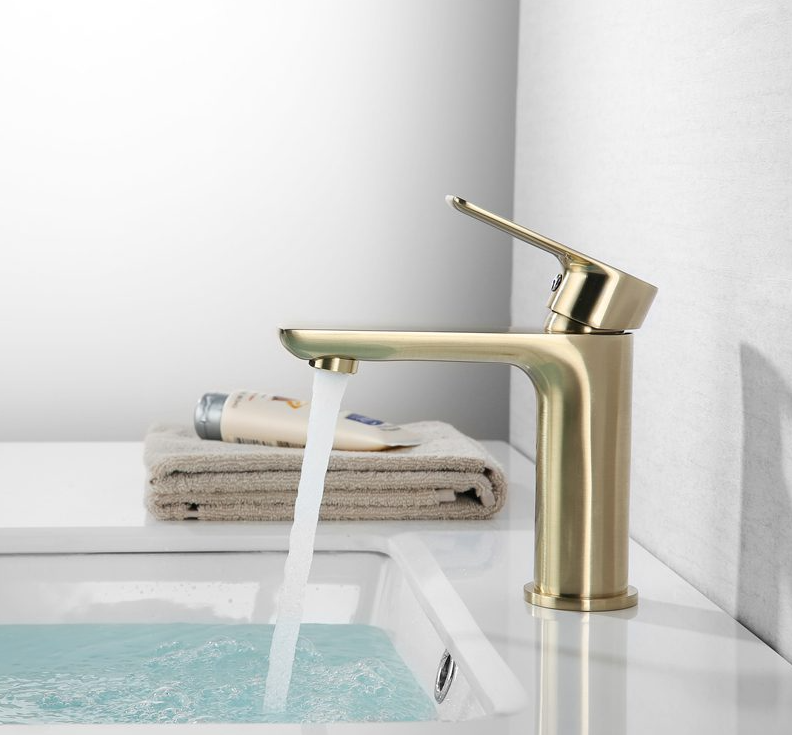
Regular maintenance keeps tapware working smoothly and looking good.
Check For Leaks
Even small drips can waste a lot of water over time. Leaks can also cause internal parts to wear out faster. Checking taps regularly and fixing leaks early helps keep everything working as it should.
Tighten Loose Parts
Handles, spouts, and mixers can loosen with daily use. If left unattended, this can lead to wobbling or internal damage. Gently tightening loose parts keeps tapware stable and reduces strain on connections.
Use Proper Cleaners
Mild, non-abrasive cleaners are best for bathroom tapware. Strong chemicals and rough products can strip protective coatings and dull finishes. Always choose cleaners that are safe for the specific finish.
Dry After Cleaning
Leaving water on tapware can cause water spots and mineral marks. Drying with a soft cloth after cleaning helps maintain shine and prevents long-term staining or corrosion.
Match Care To Finish
Different finishes react differently to cleaning products and moisture. Chrome, matte, and brushed finishes each need specific care. Following the manufacturer’s advice helps protect the surface and maintain its appearance over time.
Inspect Seals And Joints
Seals and joints help prevent leaks and keep water flowing correctly. Checking them occasionally for wear or cracks can stop issues before they become serious.
Common Mistakes To Avoid That Damage Tapware
Avoiding these mistakes helps protect tapware over time.
- Using Abrasive Sponges: Rough pads can scratch surfaces and ruin finishes.
- Applying Strong Chemicals: Bleach and harsh cleaners can strip protective coatings.
- Ignoring Small Leaks: Minor drips can turn into major issues if left unchecked.
- Letting Water Dry Naturally: Air-drying often leaves spots and marks.
- Overtightening Parts: Excess force can damage internal components.
- Mixing Cleaners: Combining products can cause chemical reactions that harm surfaces.
Conclusion
Bathroom tapware plays a big role in daily comfort and bathroom appearance. With regular cleaning and simple maintenance, it can stay functional and attractive for many years. Small habits make a big difference over time.
At Danik Bathroom, we offer solutions designed to suit real homes and everyday use. We help customers choose fittings that work well with features like a floating vanity and many more. Contact us to explore options that fit your space and style.
Frequently Asked Questions
How Often Should Bathroom Tapware Be Cleaned?
A quick daily wipe and a weekly gentle clean are usually enough for most homes.
Can Vinegar Damage Tapware Finishes?
If used too often or undiluted, vinegar can damage some finishes. Always use it sparingly.
What Cloth Is Best For Cleaning Tapware?
Soft microfiber cloths work best and do not scratch surfaces.
Does Hard Water Affect Tapware?
Yes, hard water can cause limescale build-up, which needs regular attention.
Should Tapware Match Other Bathroom Fixtures?
Matching tapware with features like a bathroom vanity or shower fittings creates a more balanced look.
RELATED POSTS
LED Bathroom Mirrors Explained: Technology, Benefits & Buying Tips
Have you noticed how modern bathrooms appear brighter and more polished than they did before?... read more
How to Clean and Maintain Your Bathroom Tapware: A Complete Guide
Have you ever noticed how quickly bathroom taps lose their shine, even when the... read more
Frameless Shower vs Framed Shower — Which Should You Choose?
Many people struggle to choose the right shower for their bathroom. With so many options... read more

The Complete Guide to Bathroom Lighting
Bathrooms are one of the most used rooms in any home, but they are also... read more
How To Clean Your Shower Head: Simple Descaling Tricks For A Spotless Bathroom
We all know, with time and regular use, your shower head can get clogged with... read more
30 Walk-In Shower Ideas for Any Size Bathroom
Transforming your bathroom into a stylish, functional sanctuary is a goal for many New Zealand... read more
Designing a Timeless Space: Your Guide to Classic Bathroom Design
A timeless bathroom blends elegance, function, and durability, creating a space that feels fresh for... read more
Stunning Bathroom Trends for 2025
Bathrooms in New Zealand are evolving into stylish, functional, hi-tech havens, and 2025 brings trends... read more
