



Bathrooms have evolved dramatically over the centuries, transforming from rudimentary outdoor spaces into sophisticated, technologically advanced sanctuaries. Understanding this evolution offers us a glimpse into the societal changes, technological advancements, and cultural shifts that have shaped our modern bathroom experiences. This article delves into the history of bathrooms, the evolution of their design, and the development of accessories that add a touch of comfort, such as heated towel rails, examining how these elements have contributed to the comfort and functionality of today’s bathrooms.
History of Bathrooms
Early Sanitation Practices

Sanitation has always been a fundamental aspect of human life, though early practices were far from what we recognise today. Ancient civilisations like the Romans and Greeks were among the first to develop structured sanitation systems. The Romans, for instance, introduced public baths and latrines, which were precursors to modern bathroom facilities. These early attempts at sanitation were communal and often lacked privacy, but they laid the groundwork for future innovations.
The backyard privy, often referred to as the “dunny,” was a common feature in many homes until the late 19th and early 20th centuries. These outdoor toilets were simple pits with wooden structures, serving as the primary means of waste disposal in many communities. While these early facilities were basic, they represented the first step towards more advanced sanitation systems.
Mediaeval and Renaissance Innovations

During the mediaeval period, bathroom facilities remained rudimentary, with outdoor privies and chamber pots being the norm. However, the Renaissance era brought significant changes as indoor plumbing began to emerge. The transition from outdoor privies to indoor facilities marked a significant shift in bathroom design, driven by a growing awareness of hygiene and the desire for comfort.
In the 16th century, the introduction of the flushing toilet by Sir John Harington, a godson of Queen Elizabeth I, was a notable innovation, though it did not become widely adopted until much later. The Renaissance period also saw the development of more sophisticated waste management systems, which laid the foundation for modern plumbing.
19th and Early 20th Century Advances

The Industrial Revolution in the 19th century was a turning point for bathroom design and functionality. The widespread adoption of flush toilets, combined with the development of sewage systems, revolutionised sanitation. This period also saw the introduction of bathtubs, washbasins, and other fixtures that are now standard in modern bathrooms.
As urbanisation increased, the need for efficient and sanitary bathroom facilities became more pressing. Innovations such as cast-iron bathtubs, porcelain sinks, and tile flooring became popular, reflecting the growing emphasis on hygiene and aesthetics. By the early 20th century, bathrooms had evolved into private, comfortable spaces within the home, a far cry from the communal latrines of ancient times.
Evolution of Bathroom Design
Traditional vs. Modern Bathrooms

Traditional bathrooms were often utilitarian spaces, focused primarily on function over form. They were typically small, with minimal decoration, and featured basic fixtures such as a toilet, a sink, and a bathtub. These bathrooms were designed to meet the essential needs of hygiene, with little consideration for comfort or aesthetics.
In contrast, modern bathrooms emphasise both functionality and design. The integration of sleek materials, innovative fixtures like bathroom taps , and thoughtful layouts has transformed bathrooms into spaces of relaxation and luxury. Modern bathrooms often feature spacious showers, freestanding bathtubs, and stylish bathroom vanities, all designed to create a soothing and visually appealing environment.
Technological Advances
The evolution of bathroom design has been closely tied to technological advancements. The introduction of electric lighting in the early 20th century was a significant development, allowing bathrooms to be used at any time of day. Temperature control systems, such as thermostatic shower box and underfloor heating, have further enhanced the comfort and convenience of modern bathrooms.
Innovations in materials have also played a crucial role in bathroom design. The use of durable and water-resistant materials, such as ceramic tiles and stainless steel, has improved the longevity and hygiene of bathroom fixtures. Additionally, the development of water-saving technologies, such as low-flow toilets and faucets, reflects the growing awareness of environmental sustainability.
Contemporary Bathroom Trends
Smart Bathrooms
The integration of technology in bathrooms has given rise to the concept of smart bathrooms, where automation and connectivity enhance the overall user experience. Features such as automated lighting, temperature control, and voice-activated mirrors are becoming increasingly common, offering unparalleled convenience and efficiency.
Smart showers, for instance, allow users to set their preferred water temperature and pressure with the touch of a button, while smart toilets offer features like automatic flushing and self-cleaning. These innovations not only improve comfort but also contribute to water and energy conservation, aligning with the growing focus on sustainability.
Sustainable Practices
The bathroom industry is increasingly focusing on sustainability. Water-saving fixtures, eco-friendly materials, and even water recycling systems are becoming more common. These innovations reflect a broader trend towards eco-conscious living, where every aspect of the home, including the bathroom, is designed with the environment in mind.
Heated Towel Rails: A Modern Necessity

One of the most practical and enjoyable additions to the modern bathroom is the heated towel rail. Imagine stepping out of a warm shower only to be greeted by a cold, damp towel. It’s a frustrating and uncomfortable experience that can instantly dampen your mood. Fortunately, heated towel rails offer a luxurious and practical solution to this problem, ensuring your towels are always warm, soft, and inviting.
Practical and Stylish
Heated towel rails are more than just a stylish addition to your bathroom. They are also highly practical. By keeping your towels warm and dry, they help prevent the growth of mold and bacteria, promoting a healthier bathroom environment. Additionally, heated towel rails can be used to dry other items, such as bathrobes or gym clothes, making them a versatile and essential accessory.
A Variety of Options
Heated towel rails come in a wide variety of styles, finishes, and sizes, so you can easily find one that matches your bathroom’s aesthetic. Whether you prefer a classic, traditional bar style or a sleek, modern vertical design, there’s a heated towel rail to fit your taste.
Looking Forward: The Future of Bathrooms
Predicted Trends and Innovations
The future of bathrooms is likely to be shaped by ongoing technological advancements and evolving consumer preferences. Smart technology will continue to play a significant role, with further integration of AI and IoT (Internet of Things) devices expected. These technologies will enable more personalised and efficient bathroom experiences, from customised lighting and temperature settings to automated water-saving features.
Impact on Lifestyle and Well-being
The evolution of bathroom design and technology has a profound impact on lifestyle and well-being. Modern bathrooms are no longer just functional spaces; they have become personal sanctuaries where individuals can unwind and rejuvenate. As innovations continue to enhance the comfort, convenience, and aesthetic appeal of bathrooms, these spaces are likely to play an even more significant role in promoting overall health and happiness.
Thankfully, the evolution of the bathroom has been relatively rapid.
From ancient latrines to modern smart bathrooms, the profound impact of technological advancements and changing societal values on our daily lives is evident. As we look to the future, the continued integration of smart technology and sustainable practices promises to further transform our bathroom experiences, making them more personalized, efficient, and eco-friendly.
It’s a privilege to live in an era where we can benefit from such innovations. Can you imagine using the bathroom in the past? I dare you…not
RELATED POSTS
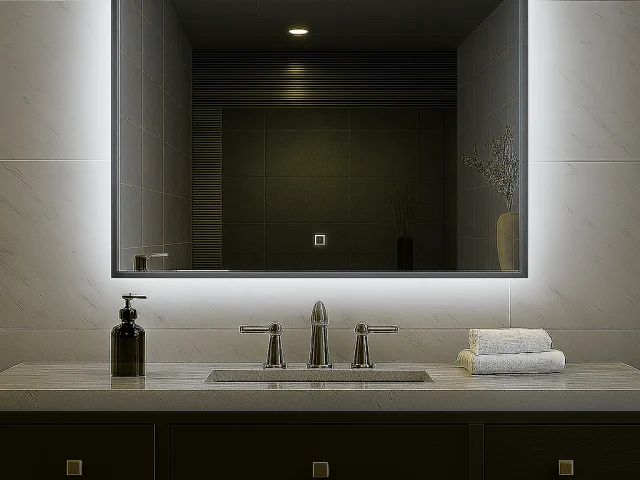
LED Bathroom Mirrors Explained: Technology, Benefits & Buying Tips
Have you noticed how modern bathrooms appear brighter and more polished than they did before?... read more
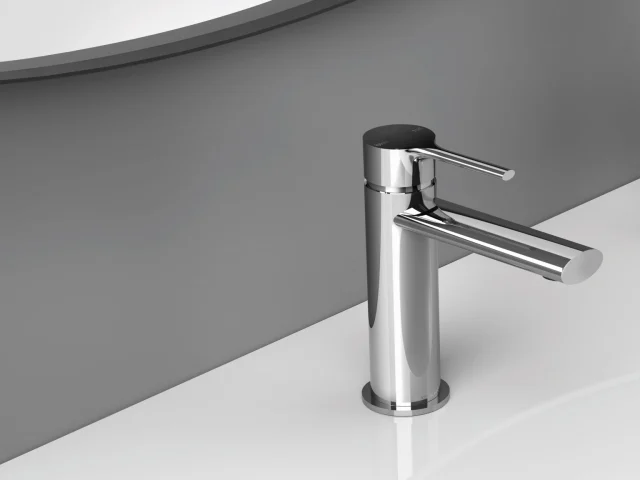
How to Clean and Maintain Your Bathroom Tapware: A Complete Guide
Have you ever noticed how quickly bathroom taps lose their shine, even when the... read more
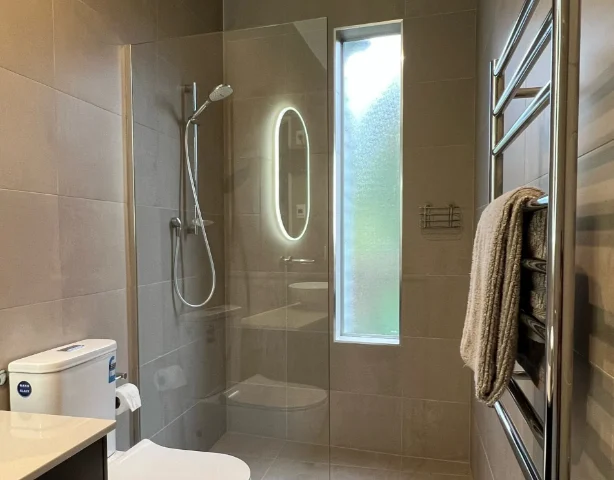
Frameless Shower vs Framed Shower — Which Should You Choose?
Many people struggle to choose the right shower for their bathroom. With so many options... read more
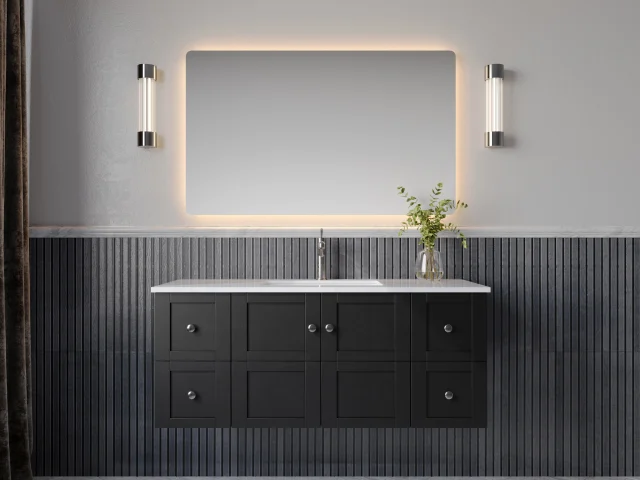
The Complete Guide to Bathroom Lighting
Bathrooms are one of the most used rooms in any home, but they are also... read more
How To Clean Your Shower Head: Simple Descaling Tricks For A Spotless Bathroom
We all know, with time and regular use, your shower head can get clogged with... read more
30 Walk-In Shower Ideas for Any Size Bathroom
Transforming your bathroom into a stylish, functional sanctuary is a goal for many New Zealand... read more
Designing a Timeless Space: Your Guide to Classic Bathroom Design
A timeless bathroom blends elegance, function, and durability, creating a space that feels fresh for... read more
Stunning Bathroom Trends for 2025
Bathrooms in New Zealand are evolving into stylish, functional, hi-tech havens, and 2025 brings trends... read more
