


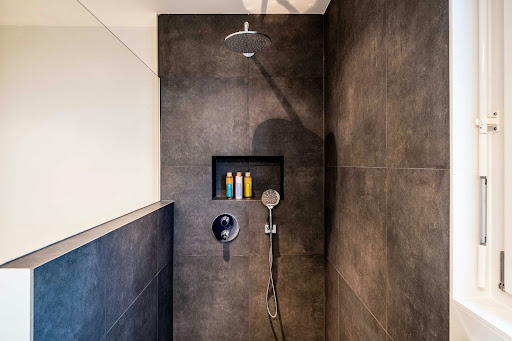
Proper ventilation in walk-in showers is crucial for maintaining a healthy and functional bathroom environment. Without adequate ventilation, moisture can accumulate, leading to persistent wetness, mould growth, and damage to fixtures and surfaces. This guide will provide a comprehensive overview of the importance of ventilation, common issues caused by poor ventilation, and practical solutions to ensure your walk-in shower stays dry and mould-free.
Section 1: Understanding the Importance of Ventilation
Why Proper Ventilation is Crucial for Walk-In Showers
Ventilation is essential in walk-in showers for several reasons:
- Prevention of Mould and Mildew: Excess moisture creates an ideal environment for mould and mildew to thrive, which can cause health issues and damage your bathroom.
- Reduction of Humidity Levels: Proper ventilation helps reduce humidity, making your bathroom more comfortable and preventing damage to walls, paint, and fixtures.
- Enhancement of Indoor Air Quality: Good ventilation ensures fresh air circulation, improving overall air quality in your home.
Common Problems Caused by Inadequate Ventilation
- Persistent Wetness and Dampness: Without proper ventilation, your walk-in shower will remain wet, making it uncomfortable and promoting mould growth.
- Damage to Bathroom Fixtures and Surfaces: Excess moisture can cause rust, peeling paint, and deterioration of tiles and grout.
Causes of Excess Moisture in Walk-In Showers
Why Walk-In Showers Might Feel Constantly Wet
There are several reasons why your walk-in shower may feel perpetually wet:
- Poor Ventilation Design: Ineffective design can lead to insufficient airflow, trapping moisture inside the shower.
- Lack of Exhaust Fans or Inadequate Fan Capacity: Without an exhaust fan or with an underpowered fan, moisture removal is inefficient.
- Insufficient Airflow: Limited airflow prevents moisture from escaping, leading to a damp environment.
Importance of Identifying the Root Causes of Excess Moisture
Identifying the root causes of excess moisture is crucial for addressing the problem effectively. By understanding the underlying issues, you can implement targeted solutions to improve ventilation and reduce humidity.
Ventilation Solutions for Walk-In Showers

Types of Ventilation Systems
There are two main types of ventilation systems: mechanical and natural.
- Mechanical Ventilation (Exhaust Fans): These fans actively remove moisture from the bathroom, providing consistent airflow.
- Natural Ventilation (Windows, Vents): Natural ventilation relies on windows and vents to allow air to circulate and remove moisture.
Choosing the Right Exhaust Fan
Selecting the appropriate exhaust fan is essential for effective ventilation.
- Calculating the Required Fan Capacity (CFM): Determine the cubic feet per minute (CFM) needed by multiplying the bathroom’s square footage by 1.1 for an average-sized bathroom.
- Features to Look for in an Exhaust Fan: Consider features such as noise level, energy efficiency, and built-in timers or humidity sensors.
Positioning the Exhaust Fan for Maximum Efficiency
Proper placement of the exhaust fan is critical for optimal performance.
- Placement Considerations for Optimal Airflow: Install the fan near the shower or bathtub and ensure it vents to the outside, not into the attic.
Enhancing Natural Ventilation
Importance of Windows and Vents in Bathrooms
Windows and vents play a vital role in providing natural ventilation.
- Types of Windows Suitable for Bathrooms: Casement windows, awning windows, and hopper windows are ideal for bathrooms as they can be opened to allow airflow while maintaining privacy.
- Vent Placement for Effective Natural Ventilation: Install vents high on walls to promote warm air escape and improve airflow.
Tips for Maximising Natural Airflow
Enhancing natural airflow can significantly improve ventilation.
- Opening Windows and Doors: Open windows and doors during and after the shower to allow moisture to escape.
- Using Vent Covers and Grilles: Install vent covers and grilles to direct airflow and improve circulation.
Additional Ventilation Tips for Frameless Shower Boxes
Unique Considerations for Frameless Shower Boxes
Frameless shower boxes have specific ventilation needs due to their design.
- Potential for Water Leakage: Ensure proper sealing to prevent water from escaping and causing damage.
- Ensuring Adequate Sealing and Drainage: Use high-quality seals and ensure proper drainage to avoid water accumulation.
Enhancing Airflow Around Frameless Shower Boxes
Improving airflow around frameless shower boxes is essential for effective ventilation.
- Strategic Placement of Vents and Fans: Position vents and fans to promote air circulation around the shower box.
- Use of Moisture-Resistant Materials: Choose moisture-resistant materials for walls and flooring to reduce the risk of damage from excess moisture.
Maintenance and Upkeep of Ventilation Systems
Regular Cleaning and Maintenance of Exhaust Fans
Maintaining exhaust fans is crucial for their efficient operation.
- Cleaning Fan Blades and Grills: Regularly clean fan blades and grills to remove dust and debris.
- Checking for Blockages and Obstructions: Ensure there are no blockages in the vent ducts that could impede airflow.
Inspecting Windows and Vents for Proper Operation
Regular inspection of windows and vents ensures they function correctly.
- Ensuring Windows Can Open Fully: Check that windows open and close smoothly to allow maximum airflow.
- Cleaning Vent Covers and Grilles: Clean vent covers and grilles to maintain unobstructed airflow.
Remodelling Considerations for Improved Ventilation

Planning Ventilation Upgrades During a Bathroom Remodel
Remodelling provides an opportunity to enhance your bathroom’s ventilation.
- Incorporating Ventilation into the Design: Plan for adequate ventilation in the initial design phase to ensure optimal placement of fans and vents.
- Consulting with Professionals for Best Practices: Seek advice from professionals to implement the best ventilation solutions.
Tips for Retrofitting Ventilation Solutions
Improving ventilation in existing setups can be challenging but is achievable.
- Adding Exhaust Fans to Existing Setups: Install additional exhaust fans or upgrade existing ones to improve airflow.
- Enhancing Natural Ventilation Without Major Renovations: Use portable fans and dehumidifiers to improve air circulation and reduce moisture.
Ensuring a Healthy Shower Environment
A walk-in shower is a luxurious addition to any bathroom, but without proper ventilation, it can quickly become a breeding ground for mould and mildew. By understanding the importance of ventilation and implementing effective solutions, you can create a healthy and enjoyable shower experience.
Invest in a high-quality exhaust fan designed for bathrooms and consider additional ventilation options like windows or vents. Regular maintenance of your ventilation system is crucial to ensure optimal performance.
For expert advice and high-quality bathroom products, including ventilation solutions, consider partnering with Danik Bathroomware. Let us help you create a walk-in shower that is both beautiful and functional.
RELATED POSTS
LED Bathroom Mirrors Explained: Technology, Benefits & Buying Tips
Have you noticed how modern bathrooms appear brighter and more polished than they did before?... read more
How to Clean and Maintain Your Bathroom Tapware: A Complete Guide
Have you ever noticed how quickly bathroom taps lose their shine, even when the... read more
Frameless Shower vs Framed Shower — Which Should You Choose?
Many people struggle to choose the right shower for their bathroom. With so many options... read more
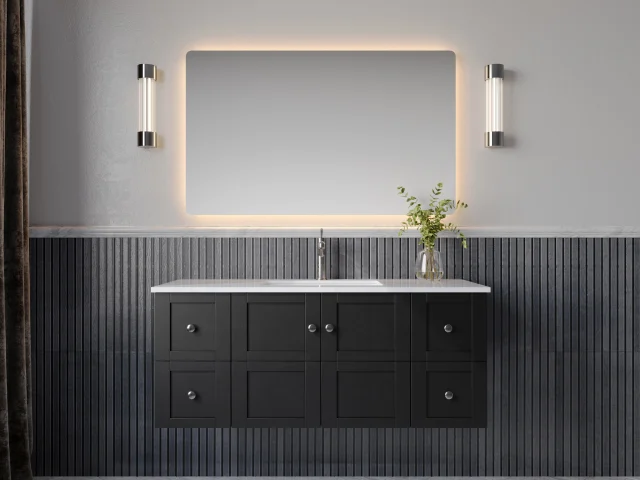
The Complete Guide to Bathroom Lighting
Bathrooms are one of the most used rooms in any home, but they are also... read more
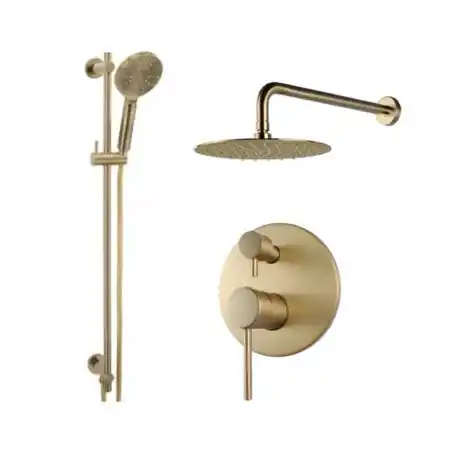
How To Clean Your Shower Head: Simple Descaling Tricks For A Spotless Bathroom
We all know, with time and regular use, your shower head can get clogged with... read more
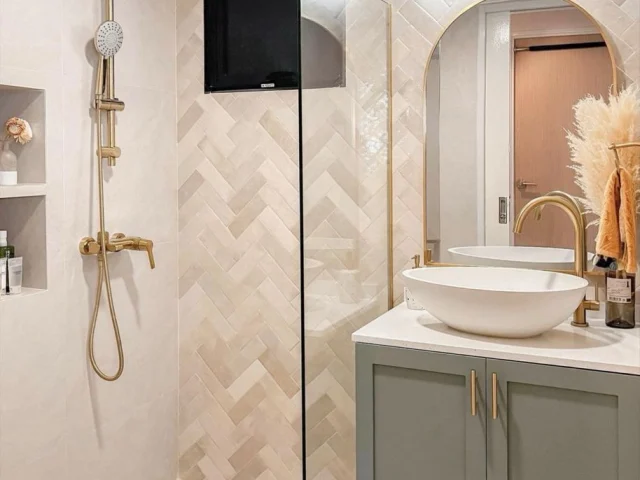
30 Walk-In Shower Ideas for Any Size Bathroom
Transforming your bathroom into a stylish, functional sanctuary is a goal for many New Zealand... read more
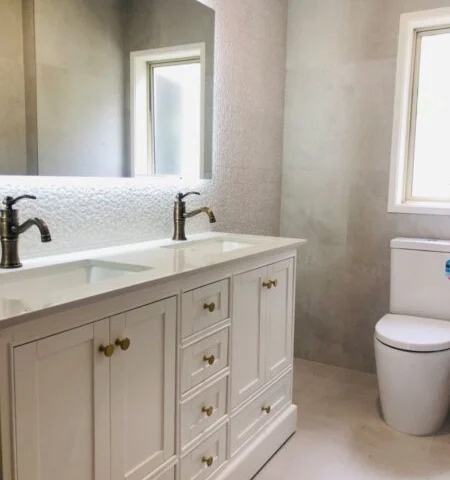
Designing a Timeless Space: Your Guide to Classic Bathroom Design
A timeless bathroom blends elegance, function, and durability, creating a space that feels fresh for... read more
Stunning Bathroom Trends for 2025
Bathrooms in New Zealand are evolving into stylish, functional, hi-tech havens, and 2025 brings trends... read more
