


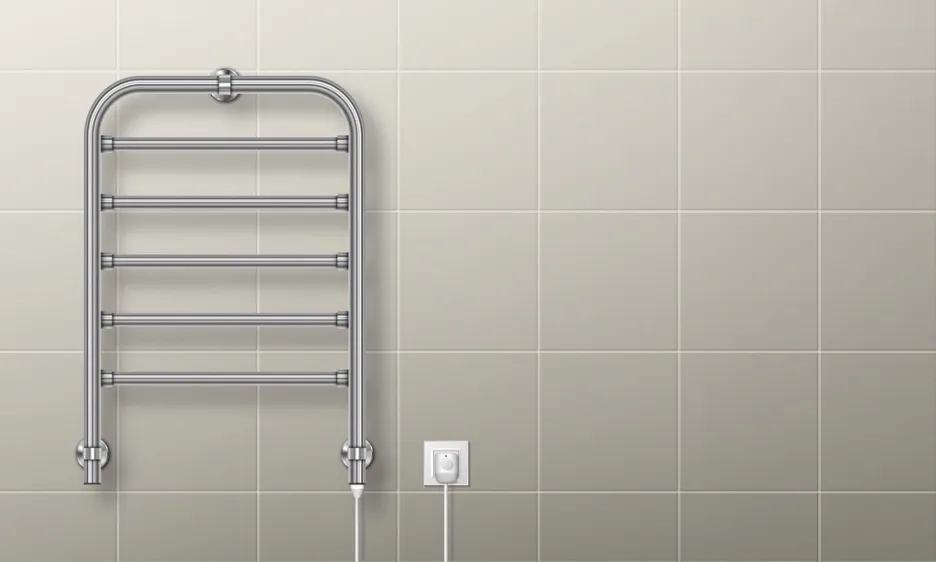
In New Zealand, where damp towels can feel like a fact of life, heated towel rails have become a bathroom staple. From Auckland’s sticky summers to Southland’s frosty winters, these clever devices promise warm, dry towels and a cosier space.
But a nagging question lingers for many Kiwi homeowners: Do heated towel rails guzzle electricity and send power bills soaring? The answer isn’t a simple yes or no—it depends on the model, usage, and NZ’s unique climate quirks. We at Danik Bathroomware, a go-to supplier across the country, don’t just sell products like vertical heated towel rails in NZ; we guide clients through design and space creation, ensuring every bathroom fits both style and practicality. This article unpacks the power puzzle, explores humidity’s role in NZ regions, and highlights why these products from Danik are worth a look.
Humidity Across NZ: Why Heated Towel Rails Matter
New Zealand’s climate is a mixed bag, and humidity plays a starring role in why heated towel rails are more of a necessity than a luxury. Up north, Auckland and the Bay of Plenty stew in muggy summers—think 70-80% humidity—where towels stay soggy without help.
Wellington’s windy chill pairs with damp air off the harbour, making drying a slog indoors. Down south, Otago and Southland battle cold, wet winters, with indoor humidity spiking as homes seal up tight. The West Coast, drenched by rain and fog, might as well be a towel’s worst nightmare. Damp towels breed mould and mildew, a health hazard in NZ’s often unventilated bathrooms.
Enter Danik Bathroomware’s heated towel rails—from horizontal heated towel rails to heated square towel ladders—offering a stylish fix. We don’t just sell these; we help clients pick the right rail to tame their region’s moisture, keeping bathrooms fresh and towels toasty.
How Much Power Does a Heated Towel Rail Use?
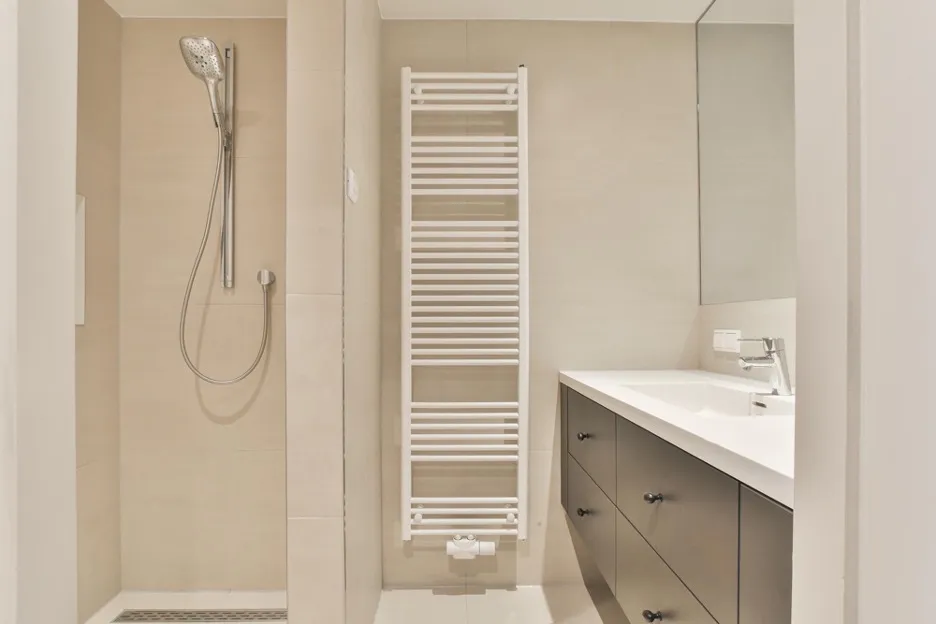
So, the big question: How much power does a heated towel rail use? Most electric models from Danik Bathroomware—like the heated round towel ladders or heated single bar towel rails run between 40 and 200 watts per hour.
At NZ’s average electricity rate of 30 cents per kilowatt-hour (kWh), a 100-watt rail costs about 3 cents an hour. Left on 24/7, that’s 72 cents a day or $263 a year, less than a fancy coffee habit. But here’s the kicker: most Kiwis don’t run them all day. For example, set a heated black towel rail on a timer, say, 4 hours daily, and it’s just 12 cents a day, or $44 yearly. Compared to a tumble dryer (2000-3000 watts) or a heater (1500 watts), it’s lightweight. Our team makes sure to guide our clients to energy-smart options, like keeping the timers on to save on utility bills without sacrificing that warm-towel bliss.
Energy Efficiency: Design Makes a Difference
Not all heated towel rails are equal on the power front, and our range proves it. Take the vertical heated towel rail, for instance. Its slim design heats towels fast by trapping warmth close, using less power than sprawling models. The heated square towel ladders, with their grid layout, spread heat evenly across multiple towels, cutting runtime. Older hydronic rails, plumbed into hot water systems, can be less efficient, losing heat to pipes. Modern electric options, like Danik’s heated brushed nickel towel rails, use dry elements that fire up quickly and cool off fast, sipping power instead of chugging it.
Humidity Heroes: Fighting Damp in Style
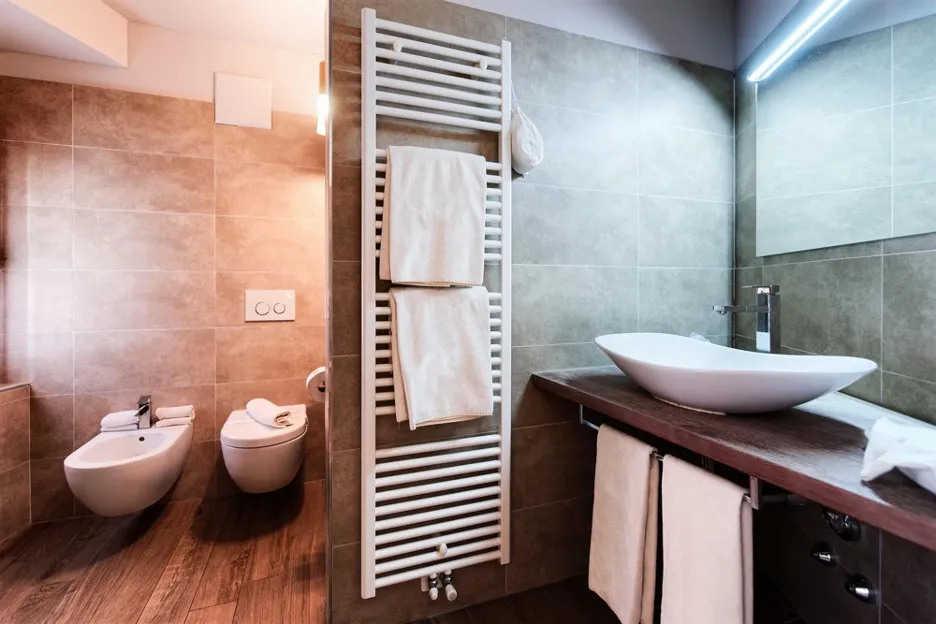
In NZ’s damp-prone regions, heated towel rails do more than warm up. They wage war on moisture. A heated single bar towel rail from us is perfect for a tight Nelson ensuite, dries a towel in a couple of hours, dodging the mildew that festers in humid corners.
For bigger households in soggy Taranaki, the horizontal heated towel rails handle multiple towels at once, keeping the bathroom aired out. The black towel rails, with their sleek matte finish, add a chic edge to a Queenstown chalet while banishing damp vibes.
Our bathroomware isn’t just about sales—it’s about crafting spaces that work. Pair a rail with a wall-hung bathroom vanity from our extensive collection, and the lifted design boosts airflow, doubling down on humidity control. It’s a one-two punch for a healthier, drier bathroom.
Cost vs. Comfort: The Real Payoff
Sure, a heated towel rail uses some electricity, but the payoff’s hard to beat. In NZ’s chilly south, stepping out of a shower to a warm towel, thanks to a heated chrome towel rail, feels like a hug on a frosty morning. Beyond comfort, it cuts laundry loads. Wet towels in humid Northland might need washing every other day; a heated round towel ladder dries them quickly, stretching its use to a week. That’s less water, less detergent, and less dryer time, savings that offset the rail’s modest power draw. In fact, our experts help clients weigh this trade-off, picking a rail, like the square towel ladder, that fits their budget and lifestyle, turning a small cost into a big win.
Product Spotlight: Danik’s Range for Every Kiwi Home
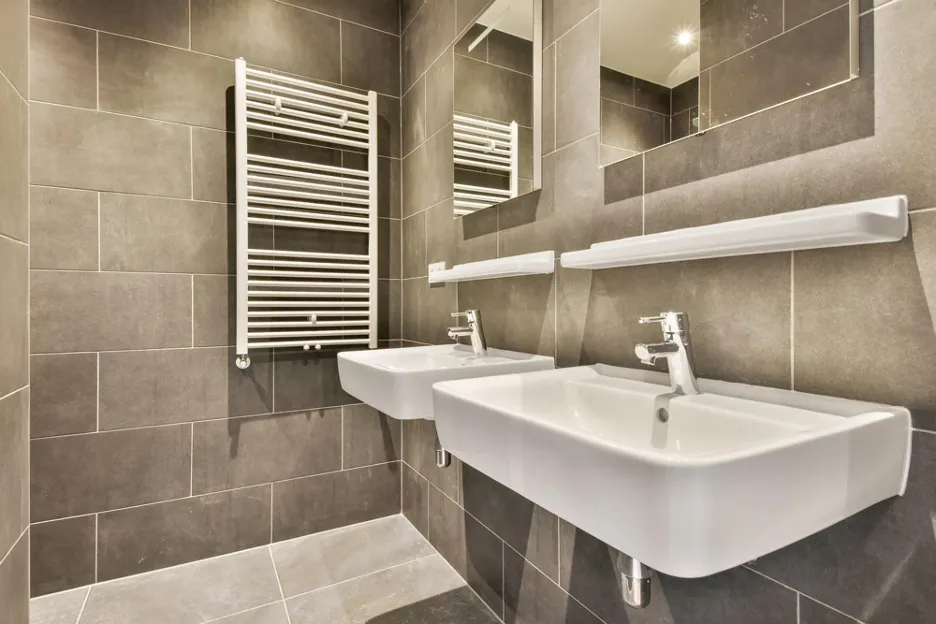
Danik Bathroomware’s lineup caters to every NZ bathroom, from tiny to grand:
- Heated Towel Rails
Available in various sizes and finishes—chrome, black, brushed nickel—to match any décor. - Vertical Heated Towel Rail
Available in 650mm or 900mm sizes, perfect for narrow spaces in Wellington apartments, drying towels efficiently with minimal wattage. - Horizontal Heated Towel Rails
Ideal for wider walls in a Hamilton family home, allowing multiple towels to be hung across several bars. - Heated Square Towel Ladders and Heated Round Towel Ladders
Offer ladder-style functionality, great for stacking towels in a busy Rotorua household. - Heated Single Bar Towel Rail
A compact, low-power option perfect for solo bathers in Dunedin. - Heated Black Towel Rails or Heated Brushed Nickel Towel Rails
Add a luxurious finish to minimalist spaces like a Christchurch ensuite. - Wall-Hung Bathroom Vanities
These are paired with towel rails for a cohesive and humidity-resistant setup.
Smart Usage Tips for NZ Homes
To keep power use low, a little Kiwi ingenuity goes a long way.
- Set a timer on a Towel Rail. On at 6 AM, off by 9 AM, and it’s warm when needed, dry by breakfast.
- Hang towels loosely on a towel ladder for max airflow, cutting dry time.
- Don’t overload the ladder as too many towels drag out the job, nudging up watts.
- In cold, damp Invercargill, pair a heated black towel rail with a dehumidifier or fan for a tag-team effort.
Installation and Maintenance: Easy with Danik
Worried about setup costs eating into savings? We’ve got it covered.
- Most heated towel rails, like the vertical heated towel rail or heated single bar towel rail, are electric and can be plugged into a standard NZ outlet with minimal fuss.
- A licensed electrician (sparky) might charge $100–$200 for a hardwire installation. It’s just a one-time cost.
- Maintenance is simple. Just wipe down a heated brushed nickel towel rail with a damp cloth to prevent rust in humid areas like Hawke’s Bay.
- Danik’s products are built to meet Australian and NZ standards and come with a 5-year warranty, offering years of low-power warmth.
- We go beyond selling. We guide you through installation and care to ensure every rail, from horizontal heated towel rails to wall-hung bathroom vanities, fits seamlessly into the bathroom.
Conclusion: Worth the Watts for NZ Living
Do heated towel rails use a lot of electricity? Not really—especially not with Danik Bathroomware’s energy-efficient range. Operating at just 40 to 200 watts, models like the heated square towel ladders or heated black towel rails consume only a few cents’ worth of power a day when used with a timer.
In New Zealand’s humid regions, these rails are more than just a luxury; they are essential. They dry towels quickly, help prevent mould, and reduce the need for constant laundry loads. The comfort is unbeatable, the energy savings are real, and the style brings a refined, NZ touch to any space. Reach out to us for further inquiries!
RELATED POSTS
LED Bathroom Mirrors Explained: Technology, Benefits & Buying Tips
Have you noticed how modern bathrooms appear brighter and more polished than they did before?... read more
How to Clean and Maintain Your Bathroom Tapware: A Complete Guide
Have you ever noticed how quickly bathroom taps lose their shine, even when the... read more
Frameless Shower vs Framed Shower — Which Should You Choose?
Many people struggle to choose the right shower for their bathroom. With so many options... read more
The Complete Guide to Bathroom Lighting
Bathrooms are one of the most used rooms in any home, but they are also... read more
How To Clean Your Shower Head: Simple Descaling Tricks For A Spotless Bathroom
We all know, with time and regular use, your shower head can get clogged with... read more
30 Walk-In Shower Ideas for Any Size Bathroom
Transforming your bathroom into a stylish, functional sanctuary is a goal for many New Zealand... read more
Designing a Timeless Space: Your Guide to Classic Bathroom Design
A timeless bathroom blends elegance, function, and durability, creating a space that feels fresh for... read more
Stunning Bathroom Trends for 2025
Bathrooms in New Zealand are evolving into stylish, functional, hi-tech havens, and 2025 brings trends... read more
